Laser Welding Technology

Repair Jewelry Porosity & Cracks With Precision Laser Welding

Say goodbye to sanding, re-casting, and unsightly repairs. Our laser welding technique fuses porosity holes and hairline cracks invisibly — without disturbing gemstones or surrounding metal.

99.8%
Repair Success Rate
0.1mm
Precision Weld Spot
10k+
Pieces Restored
Laser welding jewelry repair close-up

Why Porosity & Cracks Ruin Fine Jewelry

Casting defects and metal fatigue create weak points that compromise both the appearance and structural integrity of jewelry pieces. Traditional repair methods often make things worse.

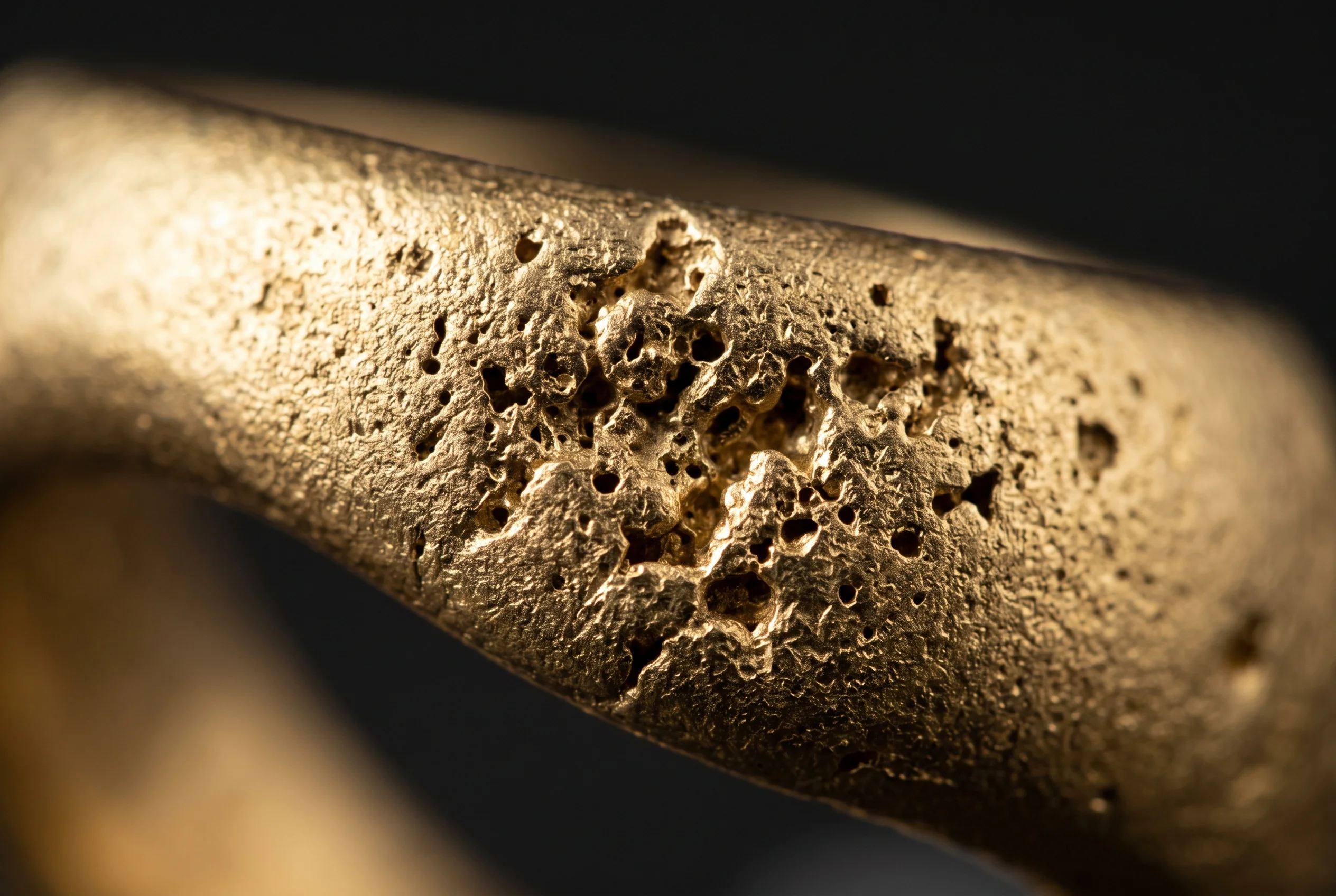
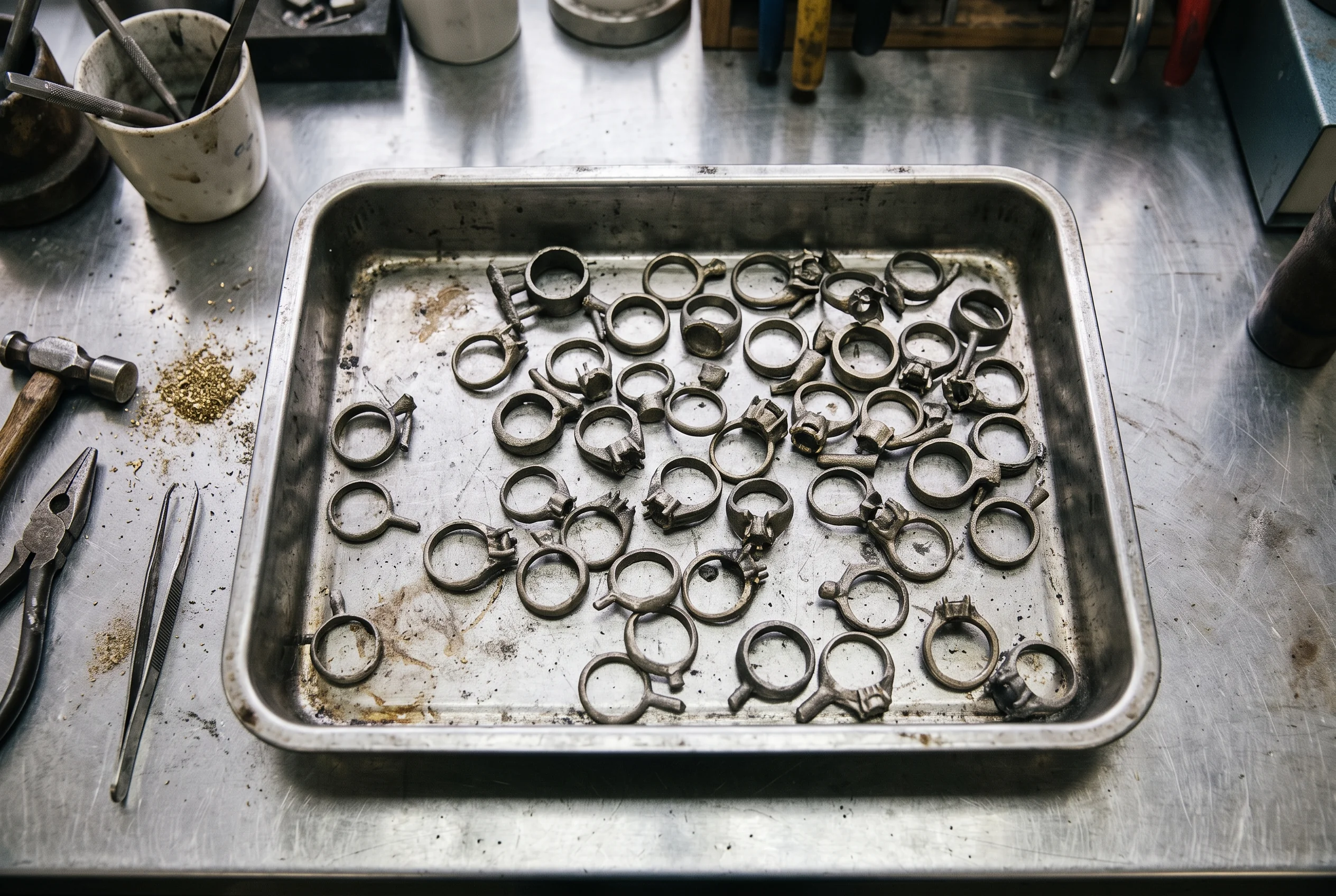
Casting Porosity

Tiny gas bubbles trapped during casting create visible pits and voids on the metal surface, weakening structural strength and ruining polish quality.

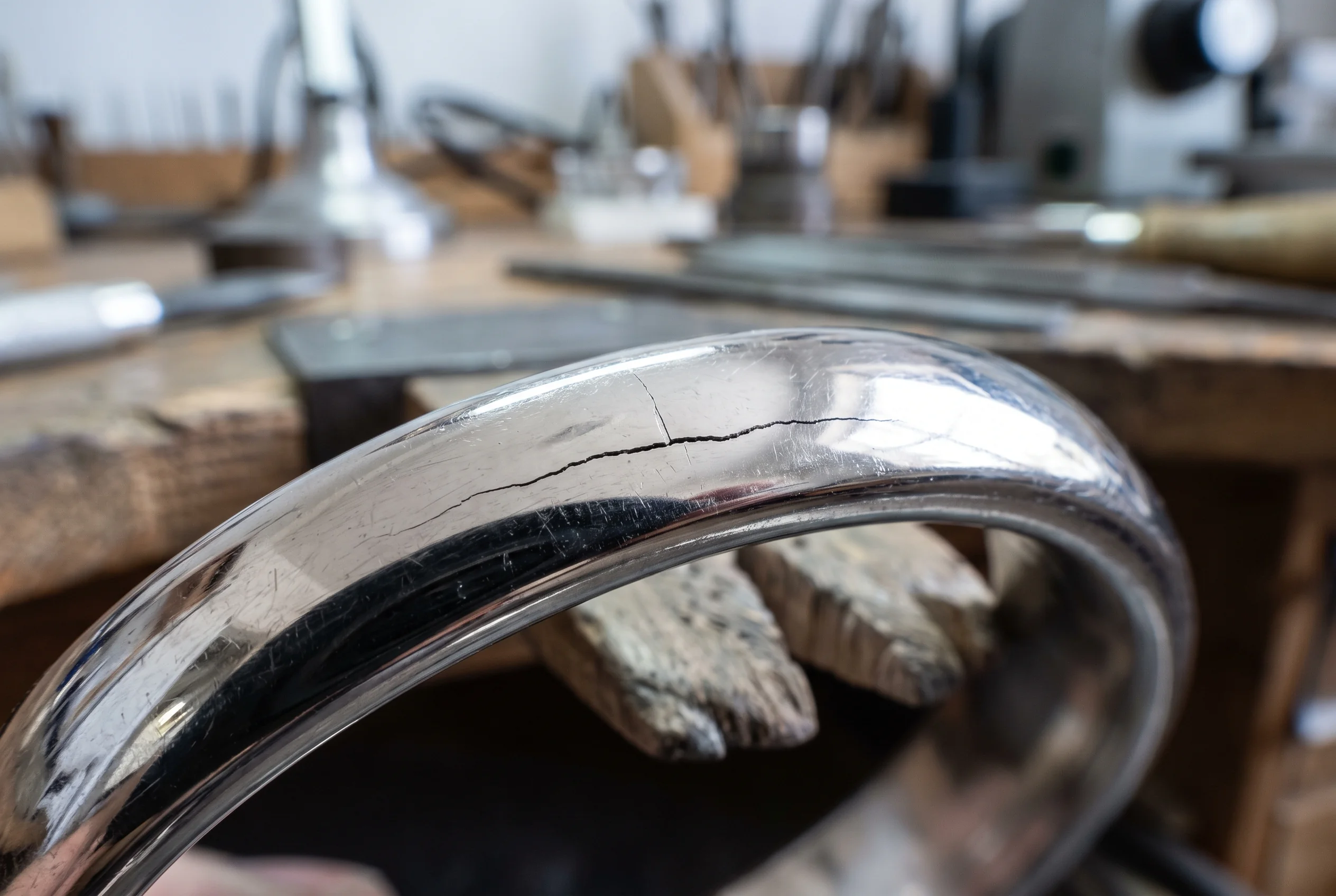
Hairline Cracks

Stress fractures from wear, sizing, or thermal shock spread over time, eventually leading to complete breakage if left untreated.

Prong & Shank Fatigue

Repeated flexing at prongs and shanks causes micro-cracking, increasing the risk of stone loss or ring breakage without warning.

Solder Seam Failure

Old solder joints oxidize and weaken over years, creating gaps and discoloration that traditional torch repair can't fully fix.

Heat Damage from Repairs

Torch-based fixes generate excess heat that can crack gemstones, discolor metal, and enlarge existing porosity defects.

Visible Repair Marks

Conventional filling and sanding often leaves discoloration, texture mismatch, or thin spots that are easy to spot on close inspection.

Laser Welding: The Gold Standard for Precision Repair

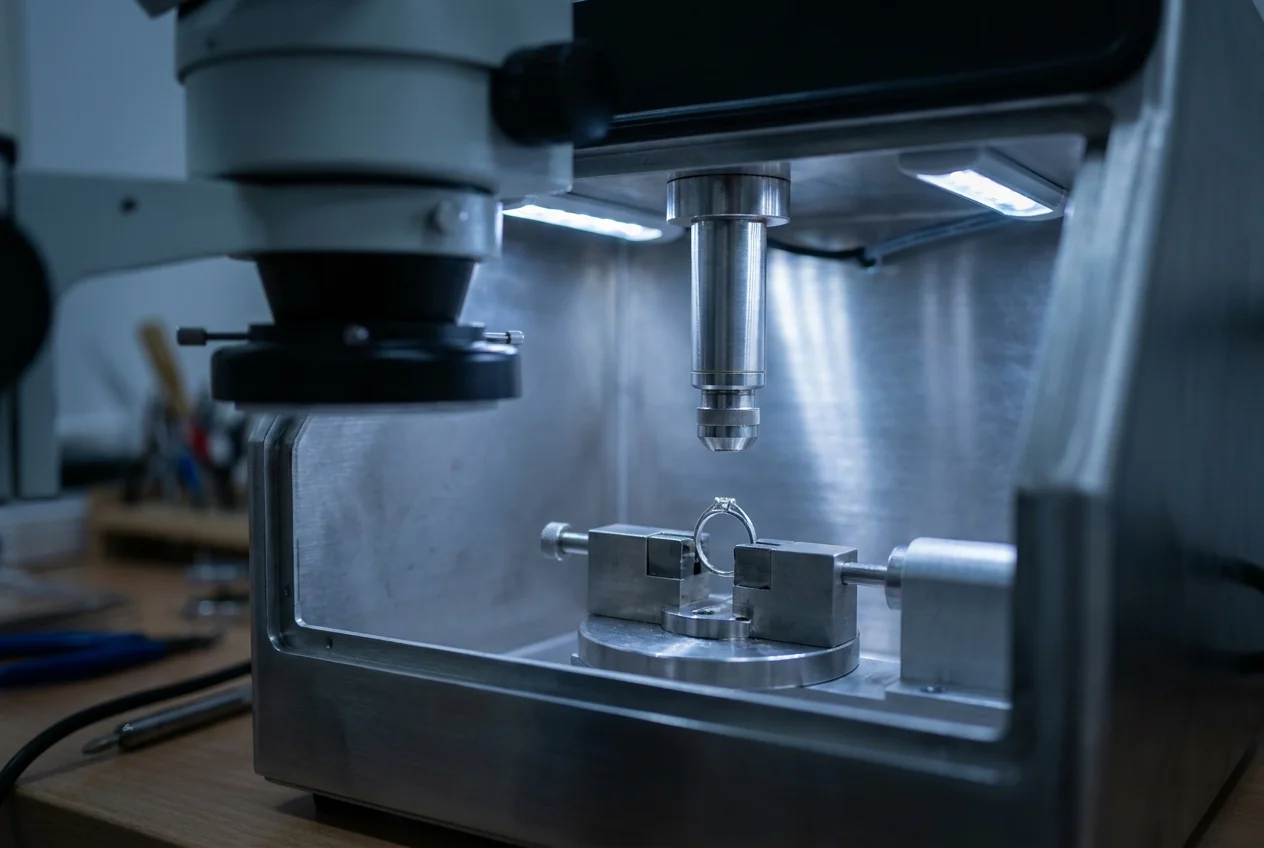
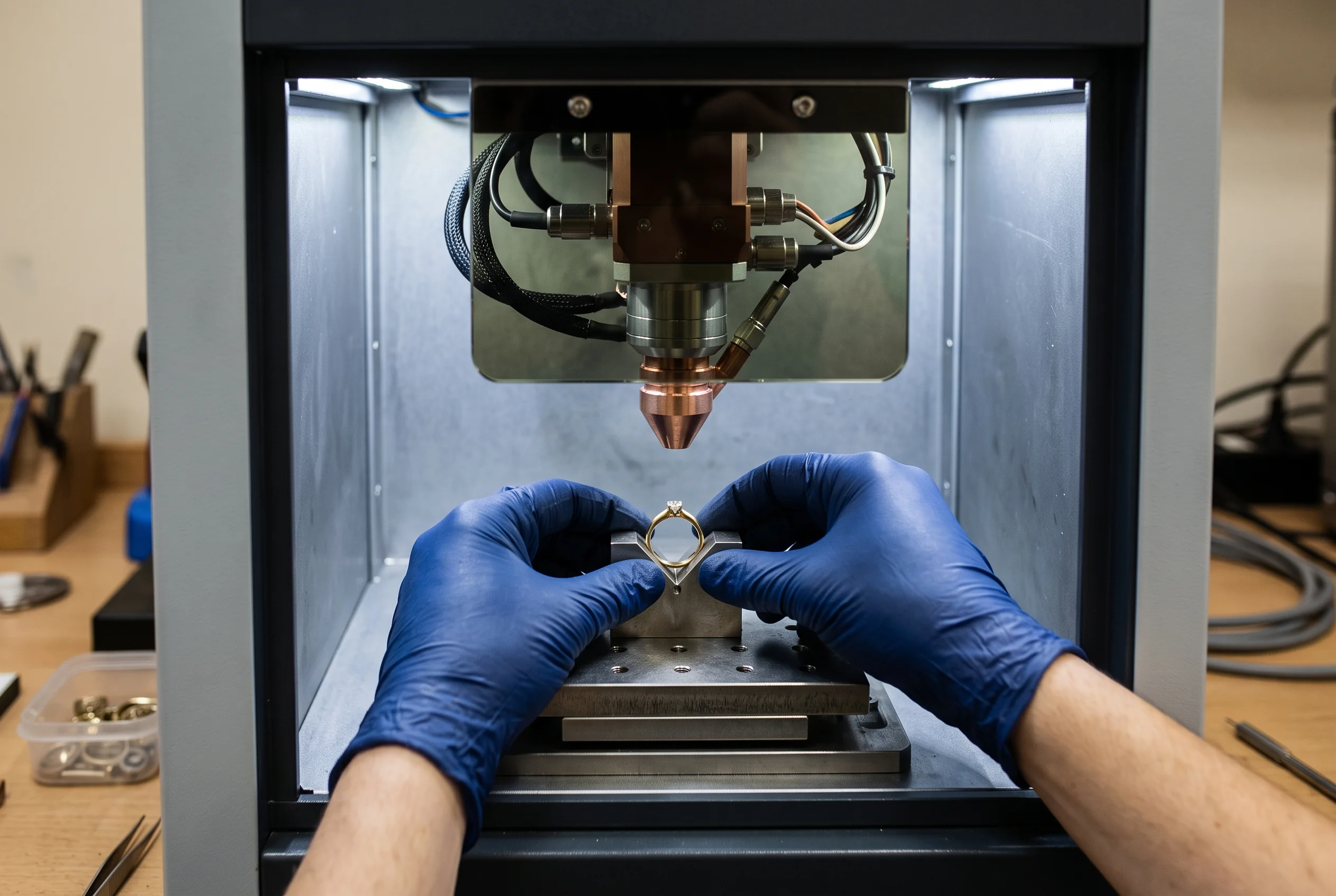
Laser welding uses a focused beam of light to melt and fuse metal at an extremely localized point — often less than 0.2mm in diameter. This means porosity and cracks can be filled and sealed with matching metal, without heating the rest of the piece.

1

Microscopic Targeting

The defect is examined under magnification and the laser is precisely aimed at the exact porosity pit or crack tip.

2

Matching Alloy Fill

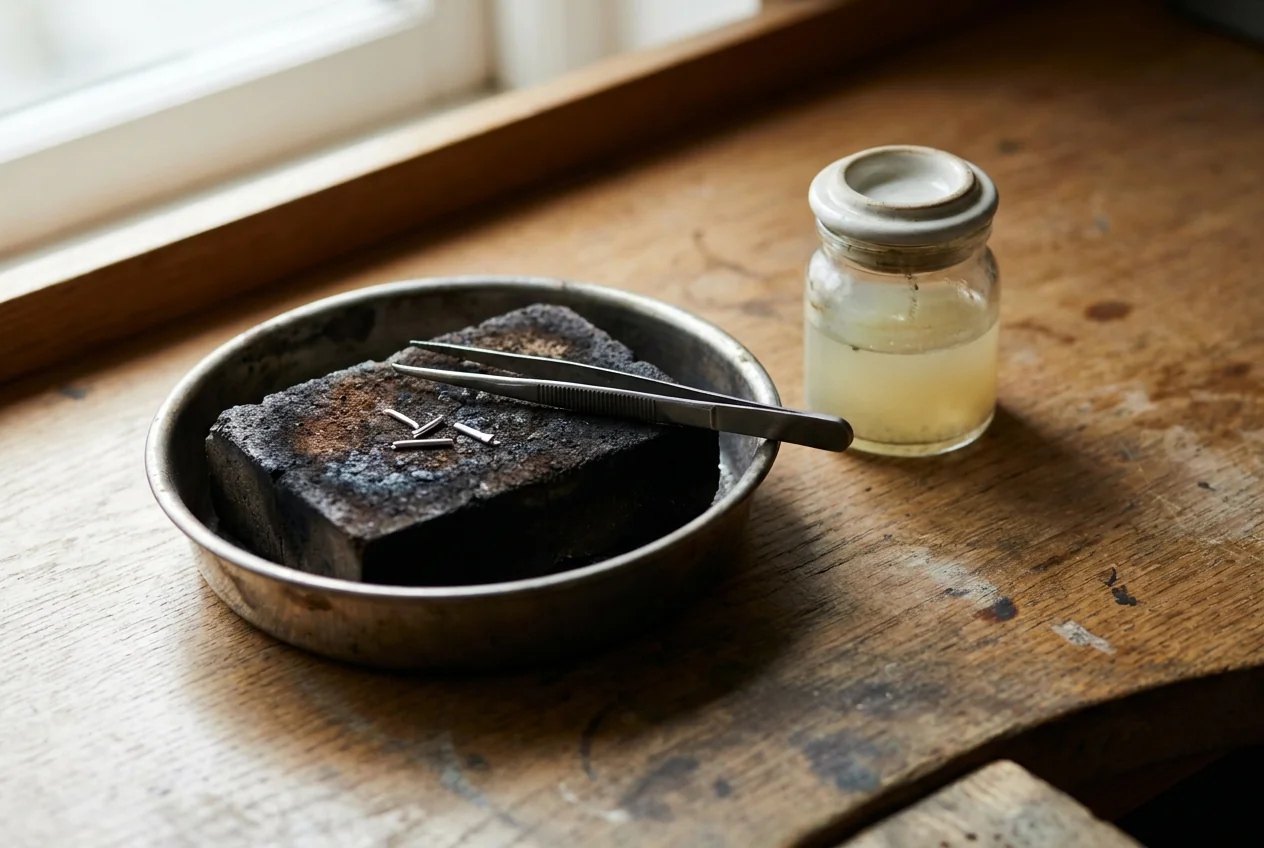
Filler wire matched to the base metal's karat and color is fed into the weld pool for a seamless, invisible bond.

3

Zero Heat Spread

The laser pulse lasts milliseconds, keeping heat confined to the weld spot — gemstones and enamel stay completely safe.

Laser welding machine in use on jewelry

The Repair Process, Step by Step

Every piece goes through a rigorous inspection and repair pipeline to ensure lasting, invisible results.

1. Inspection

Microscope assessment identifies all porosity points and crack propagation paths.

2. Cleaning

Ultrasonic cleaning removes oils, oxidation, and debris for a contaminant-free weld.

3. Laser Welding

Pulsed laser fuses filler alloy into each defect point with sub-millimeter precision.

4. Polish & QC

Final polishing restores shine, followed by quality inspection under magnification.

Benefits Over Traditional Repair Methods

Minimal Heat Transfer

Gemstones, enamel, and delicate settings remain completely unaffected by the localized laser pulse.

Invisible Results

Matched filler alloys blend seamlessly, leaving no visible seam, discoloration, or texture mismatch.

Restored Structural Strength

Proper metal fusion at the molecular level restores the piece's original strength and durability.

Stone-In-Place Repair

Precious stones don't need to be removed, reducing risk of damage and additional labor cost.

Faster Turnaround

No re-casting or extensive rebuilding needed — most repairs are completed same-day or next-day.

Cost-Effective

Targeted spot repair costs significantly less than full re-casting or replacement of the piece.

Laser Welding vs. Traditional Torch Repair

Feature Torch Soldering Laser Welding
Heat Affected Zone Large / Whole Piece Under 1mm
Gemstone Safety Risk of cracking Stones stay in place
Precision Manual, imprecise Sub-millimeter accuracy
Visible Seams Common Virtually invisible
Repair Time Longer, multi-step Fast, single session
Structural Integrity Moderate Near-original strength

We Repair All Precious Metal Types

Platinum
18K Gold
14K Gold
Sterling Silver
Palladium
Rose Gold

Frequently Asked Questions

Yes, in most cases. The laser fills individual pits and voids with matching filler metal at a microscopic level. For pieces with extensive, widespread porosity, we may recommend a combination approach, but isolated defects are typically fully resolved.

Absolutely. We stock filler wire across common karats and alloys (10K–24K gold, platinum, sterling silver, palladium) and test-match color before starting the weld, ensuring a seamless finish after polishing.

Yes. Because the laser pulse is extremely brief and localized, heat does not transfer to nearby stones the way torch heat does. We do take extra precautions with heat-sensitive stones like emeralds, opals, and pearls by using heat sinks and shielding.

Most spot repairs are completed within 1-3 business days, including inspection, welding, and final polishing. Complex multi-point repairs on larger pieces may take slightly longer.

Yes, we partner with jewelry manufacturers and casting houses to rescue rejected castings with porosity defects, as well as offering direct repair services to individual jewelry owners and retail jewelers.

Ready to Restore Your Jewelry Piece?

Send us photos of your porosity or crack issue and get a free assessment along with a repair quote within 24 hours.